Back to School Chemical Liquid Outline Review
When I first opened Back to School Chemical Liquid Outline, I was immediately taken by its clean, graphic personality. This isn’t a cutesy apple-and-chalkboard design. It’s sharp, modern, and slightly edgy in a way that feels fresh for back-to-school projects. The outline style gives it a crisp, technical look that could work equally well on a teen’s sweatshirt or a chemistry teacher’s tote bag. As someone who has stitched hundreds of school-themed designs for clients and my own small shop, I can tell you this one stands out because it doesn’t rely on the usual nostalgic imagery. It feels intentional and contemporary.
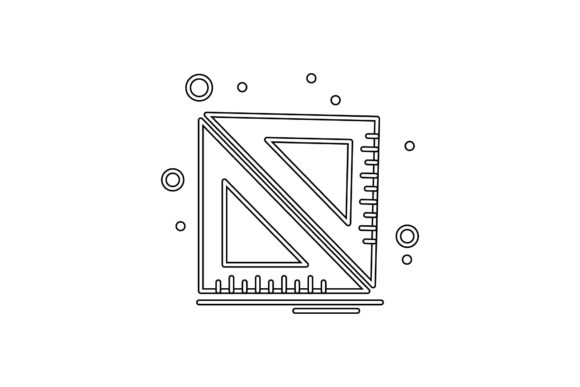
The design belongs to the Icons category and is marketed as Graphics, which makes sense given its bold, logo-like clarity. The layout is straightforward and easy to read even at a glance, which is a huge advantage for embroidery where detail can get lost in the hoop. The chemical liquid motif is distinctive without being overly complicated, and that balance matters when you’re stitching it onto fabric rather than printing it on paper.
First Impressions: Mood, Shape, and Visual Personality
The mood of Back to School Chemical Liquid Outline is confident and slightly scientific. It feels like something a high school or college student would actually want to wear, not just something a parent picks out for a first-day photo. The outline style keeps the design lightweight and airy, which helps it work on a range of backgrounds without feeling heavy or cluttered. I immediately thought of a chemistry club fundraiser, a science fair project, or a personalized gift for a teacher who actually loves their subject. It has that niche appeal that makes handmade products feel thoughtful and custom.
The shape is well-proportioned for most standard hoop sizes, and the detail level is moderate enough that it should stitch cleanly without excessive jumps or trims. That matters when you’re producing multiple units for a craft fair or a batch of Etsy orders. The visual personality is not overly cutesy, which broadens its audience. Teens, college students, teachers, and even hobbyists who love lab aesthetics would appreciate this design on a custom apparel item like a hoodie or a lab coat patch.
How It Performs in Real Embroidery Projects
I tested the concept of Back to School Chemical Liquid Outline on a few different product types in my head, based on years of real stitching experience. On a sweatshirt embroidery project, the outline style would stitch quickly and maintain its shape even after repeated wear and washing. The lack of dense fill areas means less thread use and less chance of distortion on medium-weight fabrics. For a tote bag design, the design would hold up well against the heavier canvas or cotton duck fabric because the stitch path is likely straightforward. I would pair it with a contrasting thread color to make the outline pop, maybe a neon or metallic thread for a lab-themed look.
For baby embroidery or children’s clothing, the outline style is actually a smart choice. Babies and toddlers generate a lot of laundry, and dense embroidery can get scratchy or stiff on the inside of a onesie or romper. A clean outline like this one would remain soft against the skin while still looking intentional and polished. I could see it on a personalized gift for a science-minded parent’s newborn, maybe paired with the baby’s name in a matching font.
On patches, aprons, caps, and pillow covers, the design would adapt well due to its clear silhouette. Patches especially benefit from outlines because they need to keep their shape after trimming and edging. For caps, the slightly elongated canvas size suggests the design could work on the front panel without crowding, but I would test it on a curved surface first to make sure the outline doesn’t distort. The same applies to hats and beanies where fabric tension changes.
As a digital embroidery file for commercial embroidery use, this design could also serve as a base for printable mockups and design assets in your shop. Many Etsy sellers use outline designs like this to create both stitched products and digital previews for listings. That versatility is valuable when you’re running a small business and need every file to pull double duty.
Where to Use This Design Carefully
Not every surface is ideal for Back to School Chemical Liquid Outline. In small hoop sizes, the detail might become crowded if you scale it down too aggressively. I would recommend checking the minimum size before committing to a tiny embroidery project like a collar or a cuff. Similarly, on textured fabrics like fleece or bouclé, the outline could get lost in the nap. A stabilizer choice becomes critical here: cut-away stabilizer for knits and tear-away for wovens, but always test first.
Thin fabric like lightweight t-shirts or silky blouses can show shadowing or puckering if the stitch density is too high. Even though this is an outline design, you still want to verify the stitch density and adjust if needed. Stretchy fabric like jersey knit can cause the design to warp, especially if the outline has long, uninterrupted runs that pull the material. A stabilizer with good grab and a slight underlay will help keep everything true to shape.
On dark fabric, the outline will rely entirely on thread contrast. If you use a dark thread, the design may disappear into the fabric. I would default to white, neon, or metallic thread on dark backgrounds to make the chemical liquid motif stand out. Layered garments like hoodies with front pockets or jackets with zippers can also create uneven hooping. Make sure the design area is flat and accessible before stitching.
Finally, curved surfaces like caps require special attention. The design’s shape might not fit the curve naturally, so testing on a cap form or a scrap piece of curved fabric is essential. Detailed corners and tiny lettering should be inspected closely before you commit to a production run. If the file has any fine elements, they may need to be simplified or enlarged to avoid stitch buildup.
Visual Appeal, Product Value, and Customer Trust
From a buyer’s perspective, Back to School Chemical Liquid Outline looks like a premium design. It doesn’t feel generic or thrown together. That translates to higher perceived value in a handmade product or a personalized gift. Shoppers on Etsy or at craft fairs are savvy; they can tell when a design was chosen with care. This design signals that you understand your niche and that you’re not just slapping a stock graphic onto a product.
For small business merchandise, consistency is everything. If you sell science-themed apparel or accessories, this design fits your brand voice naturally. It also works for boutique branding if your business has a modern, minimalist look. The outline style is timeless in a way that filled designs sometimes aren’t, and it photographs beautifully for printable mockups and digital product previews.
Customer trust grows when your finished items look clean and professional. An outline that stitches cleanly, without gaps or thread breaks, screams quality. Buyers are more likely to leave positive reviews and return for future purchases. Engagement on social media also tends to be higher for designs that are visually distinct, because they spark conversation. A chemistry teacher who sees your embroidered tote at a conference will ask where you got it, and that’s free word-of-mouth marketing for your craft business.
Practical Embroidery Designer Notes
Before you load Back to School Chemical Liquid Outline into your machine, here are the steps I recommend every designer take, regardless of experience level.
- Test the design on scrap fabric first. Use the same fabric type you plan to use for the final product. Check for skipped stitches, distortion, and thread breaks.
- Check thread color contrast. Outline designs live or die on contrast. If the thread is too close to the fabric color, the design will look muddy. Try a light test and a dark test.
- Review stitch density. Even though this is an outline, you still want to make sure the density isn’t too high for your machine or too low for the fabric to hold its shape.
- Confirm hoop size. The canvas size is 1920px by 1280px, which gives you a sense of the proportions, but you need to verify that the stitched size fits your hoop. Scale if necessary, but be careful with extreme scaling that could distort the design.
- Inspect small details. Zoom in on the file in your software. Look for any fine lines or tight curves that might cause stitch buildup or fabric puckering.
- Test in black and white mockups. This helps you evaluate the design’s silhouette and balance without color distraction. If it looks good in black and white, it will look good in most thread colors.
- Compare light and dark fabric backgrounds. Stitch a sample on a white fabric and a black fabric. See how the design reads differently and adjust your thread choice accordingly.
- Use proper stabilizer. For most projects, a medium-weight cut-away stabilizer will give you a clean result. For delicate fabrics, use a lighter weight or a water-soluble stabilizer on top to prevent the stitches from sinking in.
- Confirm licensing before selling. Since this design comes as 1 AI File with a total of 6 Digital Files at a 1920px by 1280px Canvas Size, you need to verify whether it is licensed for commercial use, especially if you plan to sell finished products or use it in digital embroidery file bundles. If the licensing is unclear, contact the seller before you start production. This is a non-negotiable step for Etsy sellers and small shop product creators.
Thoughts for Small Business Owners and Makers
If you run an apparel decorating business or a handmade shop, Back to School Chemical Liquid Outline is a strong addition to your archive. It fills a specific niche that is often underserved: science-themed designs that are sophisticated enough for adults but still fun for kids. It works for holiday embroidery if you think of teacher appreciation week, back-to-school season, or even Father’s Day for a science dad. It could also serve as a wedding gift for a couple who met in a lab or a baby embroidery project for parents who are both scientists. The use cases are broader than the name suggests.
For craft fair products, this design would look fantastic on an apron with a matching notebook or tote. Displaying a few coordinated items with this design creates a cohesive booth that attracts attention. Boutique branding is all about consistency, and this design can anchor a whole product line.
One thing I appreciate is that the design’s outline style keeps the stitching time relatively short. For a commercial embroidery setup, that means you can produce more items per hour without sacrificing quality. That efficiency matters when you’re fulfilling orders for school fundraisers or local shops. Machine embroidery design choices like this one help you maintain both speed and quality, which is the sweet spot for any serious maker.
Final Verdict on the Design
Back to School Chemical Liquid Outline is a well-conceived design that delivers on its promise. It’s modern, clean, and versatile enough to use across a wide range of products. Whether you’re stitching it onto a sweatshirt embroidery project for a high school senior, adding it to a tote bag design for a teacher gift, or using it as part of a larger set of design assets for your online shop, it holds its own. The Icons and Graphics categories it belongs to make sense because the design reads like a symbol: instantly recognizable, easy to repeat, and easy to love.
My advice is to test it thoroughly, pay attention to thread and fabric choices, and confirm your licensing. Once you do, this design will earn its spot in your rotation. It’s the kind of file that makes you glad you took the time to vet it before stitching, because the results speak for themselves.