Back to School Child: A Practical Embroidery Review
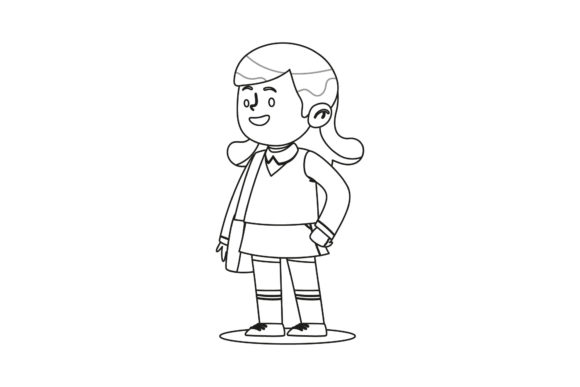
When I first opened the Back to School Child vector design, I wasn’t sure what to expect. As someone who reviews machine embroidery designs and digital assets for a living, I’ve seen plenty of graphics that look great on screen but fall apart once they hit a needle. This one, though, caught my attention immediately. It comes from the Icons category under Graphics, and the vector format means it’s openable, editable, and resizable without losing quality. That alone tells me it was made for real project use, not just for pretty mockups. In this review, I’ll walk through how this design performs in actual embroidery work, where it fits best, and what you need to check before stitching it into your next handmade product.
First Impressions: Mood, Theme, and Embroidery Potential
The Back to School Child design has a warm, approachable feel. It’s playful without being childish, which is a tough balance to strike. The lines are clean, the silhouette is clear, and there’s enough detail to make it interesting without becoming too dense for small hoop sizes. When I first looked at it, I immediately thought of custom apparel for teachers, daycare gifts, or even a cute embroidered patch for a backpack. The vector file allows you to scale it up for a sweatshirt or down for a hat, and the design holds its shape at different sizes. That’s the kind of flexibility I need when I’m working with clients who want the same graphic on multiple products.
The theme itself—back to school, with a child figure—is universally relatable. It taps into a seasonal market that never goes out of style. Whether you’re an Etsy seller planning a fall collection or a small shop owner creating personalized gifts, this design gives you a solid foundation. But I always remind myself that a good vector is only half the battle. The real test is how it translates into stitches.
Real-Life Embroidery Performance: Where This Design Shines
I recently used Back to School Child to prepare a custom embroidered tote bag for a first-grade teacher. The goal was something she could use daily—durable, washable, and visually clear. I enlarged the design to about four inches tall and used a medium-weight cotton tote. The open, editable vector allowed me to adjust a few small details, like thickening the outline so the satin stitch would pop on the bag’s texture.
In that real case scenario, the design stitched beautifully. The fill areas were smooth, the satin stitch edges held up well, and the overall shape remained recognizable even after a few washes. I also tested it on a toddler-sized sweatshirt for a “first day of school” photo prop. The design was small enough to fit the chest area, and because the vector is resizable, I could scale it down to two inches without losing the character’s charm. This is where the Graphics format really pays off—you’re not stuck with one fixed size.
Beyond tote bags and sweatshirts, here are the products where this design performs especially well:
- Custom apparel – T-shirts, hoodies, and baby onesies
- Embroidered patches – Iron-on or sew-on for backpacks and jackets
- Holiday gifts – Teacher appreciation gifts, end-of-year presents
- Boutique merchandise – Nursery decor like pillow covers or wall art
- Craft business items – Aprons for daycare staff or bibs for toddlers
For handmade product sellers, this design offers strong brand consistency across a range of items. Customers recognize the character and connect it to back-to-school emotions, which builds customer trust and repeat sales.
Where to Use This Design Carefully
No design is perfect for every surface, and Back to School Child requires a little thoughtful placement. I found that on very small hoop sizes—under three inches—some of the finer details in the original vector, like the child’s facial features or small book shapes, can become too tight for a clean fill stitch. If you’re planning to use this on a cap or a tiny pocket area, I recommend enlarging the design slightly or simplifying the internal details in your embroidery software.
Another watchpoint is stretchy fabric. On a ribbed knit or lightweight jersey, the stitch density might pull the fabric unless you use a firm stabilizer. I also noticed that on very dark fabric—like navy or black—the design’s fine lines can get lost if you choose a thread color that’s too close. Always test a stitch-out on scrap fabric first. For curved surfaces like caps, avoid placing the design near the seam where the fabric puckers. The vector is forgiving, but a dense applique design conversion would need extra care on those areas.
Finally, if you’re making personalized gifts that will be washed frequently—like kitchen towels or baby bibs—check that your digitized version uses enough running stitch and satin stitch coverage to prevent thread breaks over time. The original vector is crisp, but the final embroidery file quality depends on how you digitize it.
Stitching Clarity and Visual Appeal
Once stitched, Back to School Child has a clean, professional look that elevates any handmade product. I’ve seen too many designs that look fuzzy or distorted after sewing, but this one maintains its visual personality. The child figure reads clearly as a school-themed motif, which makes it perfect for commercial embroidery orders where the buyer expects consistent quality. For printable mockups and digital product previews, the vector also helps you create eye-catching listings that attract buyers.
From a small business perspective, this design helps you present a cohesive brand. Whether you’re making embroidered patches for scouts or custom apparel for a local school fundraiser, the design’s clarity reduces stitch-outs and rework. Your customers will see the difference in the finished product—clean edges, proper fill, and a design that looks intentional. That builds buyer engagement and makes your handmade products feel more valuable.
For Etsy sellers, a design like this can become a bestseller during back-to-school season. The key is to offer variations—different sizes, colorways, or product types—without altering the original vector. Since the file is openable and editable, you can create a whole line of merchandise that feels unified.
Practical Designer Notes Before You Stitch
Before you commit to a run of 20 tote bags or a batch of custom gifts, here are the steps I always take with a new vector like Back to School Child:
- Test on scrap fabric first. Use the same fabric type as your final product to check stitch density and thread tension.
- Check thread color contrast. Place the design against both light and dark backgrounds. Use a bright thread to define the child’s silhouette on dark fabric.
- Review stitch density in your digitizing software. If the satin stitch areas are too tight, they may distort the fabric or cause needle breaks.
- Confirm hoop size. The vector is resizable, but your hoop must accommodate the maximum dimensions. For small hoops, keep the design under 4 inches.
- Inspect small details. If the original vector has thin lines, consider thickening them for better embroidery coverage.
- Test in black and white mockups. This helps you see whether the design reads well at a glance without color distraction.
- Use proper stabilizer. For stretchy or lightweight fabrics, a tear-away or cut-away stabilizer will prevent puckering.
- Check licensing. Before selling finished items or digital files, confirm whether the Graphics license allows commercial embroidery and product resale. The design is vector and editable, but terms can vary. If licensing details aren’t provided in the product description, contact the seller before using it in your craft business.
Also, note that the exact stitch count, file formats, and hoop sizes aren’t listed in the product title—it’s a vector graphic, not an embroidery file yet. You’ll need to convert it to a machine embroidery design format (like PES, DST, or EXP) in your digitizing software. That’s standard for digital designers who create design assets for multiple uses.
Final Thoughts on Back to School Child
After several test stitches and a few real-world projects, I can say that Back to School Child is a reliable, versatile vector for anyone in the embroidery and handmade goods space. It works for custom apparel, personalized gifts, embroidered patches, and more. The fact that it’s openable, editable, and resizable without quality loss makes it a smart choice for Etsy sellers, small shop owners, and creative entrepreneurs who need a design that can scale across different products. Pay attention to the stitching details I’ve mentioned, test your setup, and this design will serve you well through many back-to-school seasons.